
Chiropractor for Sciatica Lara: How Chiropractic May Help You Move Freely Again
What is Sciatica?
Sciatica isn’t actually a condition itself; it’s a term used to describe pain that travels along the sciatic nerve. This nerve runs from your lower back, through your hips and glutes, and down each leg.
Common symptoms of sciatica include:
- Pain in the lower back, glutes, or leg
- Tingling or “pins and needles”
- Numbness or weakness in the leg
- Pain that worsens with sitting or bending
Sciatica can vary from mild discomfort to sharp, debilitating pain that affects your day-to-day life.
What Causes Sciatica?
Sciatica is usually caused by irritation or compression of the sciatic nerve. Some common contributors include:
- Disc bulges or herniations
- Joint stiffness in the lower back or pelvis
- Muscle tightness (especially in the glutes or piriformis)
- Poor posture or prolonged sitting
- Reduced movement or strength in supporting muscles
It’s important to understand that pain is often influenced by multiple factors, not just one structure.
How Can a Chiropractor For Sciatica Lara Help with Sciatica?
Chiropractor For Sciatica Lara Chiropractic care focuses on improving how your body moves and functions, not just chasing pain.
At our clinic, we take a personalised approach to sciatica, which may include:
1. Thorough Assessment
We look at how your spine, hips, and surrounding muscles are functioning to identify contributing factors.
2. Gentle, Targeted Adjustments
Chiropractic adjustments aimed to improve joint mobility and reduce irritation around the nerve.
3. Soft Tissue Therapy
Releasing tight muscles (like the glutes and hip rotators) can help reduce tension on the sciatic nerve.
4. Exercise & Rehabilitation
You’ll be guided through specific exercises to help improve strength, mobility, and long-term resilience.
5. Lifestyle Advice
We help you modify daily habits like sitting, lifting, and movement patterns to support recovery.
Is Chiropractic Safe for Sciatica?
Chiropractor For Sciatica Lara Chiropractic care is generally considered a safe and effective option for managing sciatica, especially when tailored to the individual.
We also use a range of techniques including low-force options, so your care matches your comfort level.
When Should You Seek Help From A Chiropractor For Sciatica Lara?
If you’re experiencing:
- Persistent pain down your leg
- Numbness or weakness
- Difficulty sitting, standing, or moving
…it may be worth getting assessed early to prevent the issue from worsening.
Take the First Step Toward Relief
Sciatica can be frustrating, but the good news is there are options to help you move and feel better again.
At Clover Chiropractic Lara, we focus on finding the root contributors to your pain and building a plan that supports both short-term relief and long-term results.
Click here to book an assessment online.
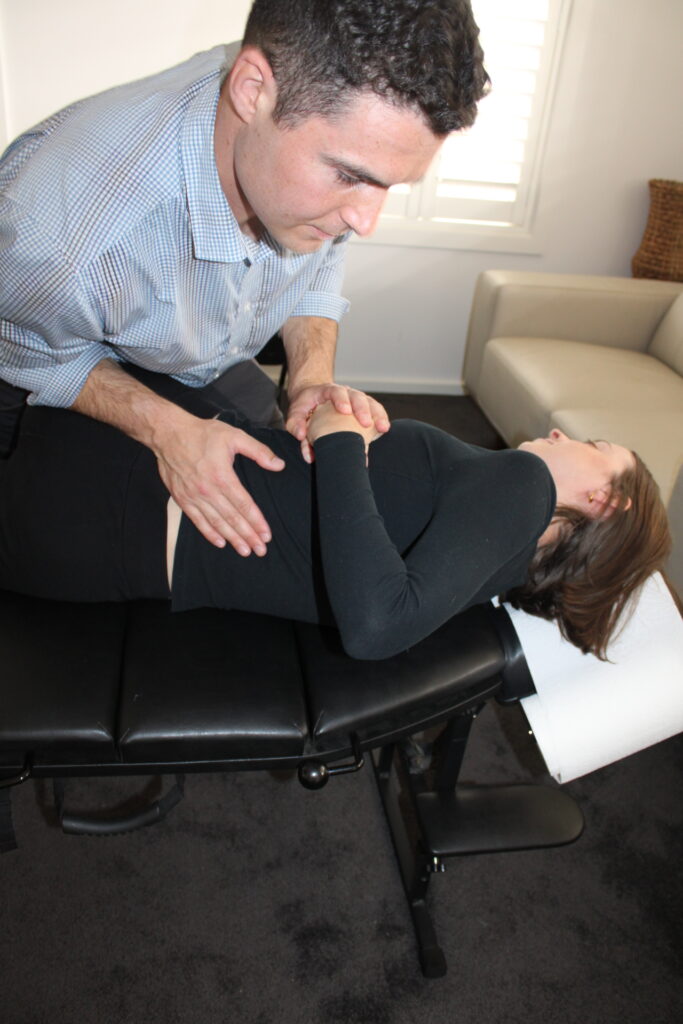
Understanding Sciatica Beyond the Pain – Chiropractor For Sciatica Lara
One of the biggest misconceptions about sciatica is that the pain always comes directly from a disc issue. While disc bulges can play a role, many people with imaging findings have no pain at all. This highlights an important point, pain is complex and often influenced by multiple factors, including movement patterns, muscle function, and overall lifestyle.
For example, prolonged sitting, reduced physical activity, or repetitive movements can place ongoing stress on the lower back and hips. Over time, this can lead to irritation of the sciatic nerve, even without a significant structural injury. That’s why focusing only on scans or a single diagnosis can sometimes miss the bigger picture.
A chiropractor for sciatica Lara. Chiropractic care takes a broad approach by assessing how your body moves as a whole. Instead of just targeting the site of pain, care is aimed at improving overall function, helping your spine, hips, and muscles work more efficiently together.
This approach not only helps reduce current discomfort but also aims to build resilience, so your body is better equipped to handle daily demands. By combining hands-on care with movement-based strategies, many people find they’re able to return to activities they enjoy with greater confidence and less restriction.